

Key Takeaways
- Colorado drug possession laws classify substances and penalties based on severity and quantity.
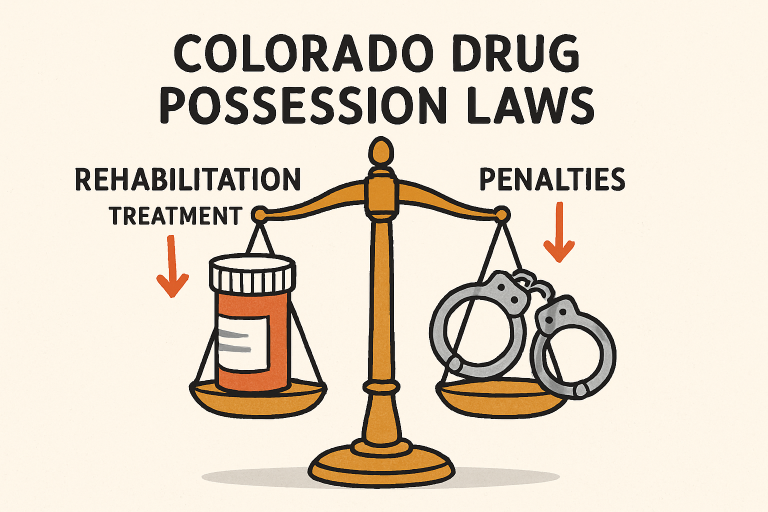
- Recent reforms focus on rehabilitation and treatment, reducing some penalties to misdemeanors.
- Legal defenses often hinge on procedural errors, knowledge of possession, or identification of the substance.
- Professional legal assistance can improve outcomes and uncover alternatives to incarceration.
Understanding Drug Possession Laws in Colorado
Colorado has modernized its approach to drug possession, now emphasizing both public safety and rehabilitation. Under state law, controlled substances are organized into five schedules based on factors such as potential for abuse and recognized medical uses. Schedule I substances carry the highest risk, while Schedule V substances are considered the least dangerous. The classification of a substance directly influences the legal consequences for possession.
The evolving legal climate means that understanding your rights and obligations, as well as potential penalties, is crucial if you or a loved one faces drug possession charges. Early action, such as contacting a reputable attorney, can significantly affect your future. For more guidance, martinlawfirmpc.com offers insights on Colorado drug laws and defense strategies.
Anyone accused of drug possession in Colorado faces a legal system that is both strict and nuanced. The details of your case, including the specific drug involved and the quantity, make a significant difference in the outcome. Whether charged with a misdemeanor or a felony, knowing where your situation stands within state guidelines is the first step toward resolution.
Rehabilitation programs, reduced charges for first-time offenders, and treatment options are all part of the broader shift in Colorado’s drug law philosophy. Despite this, repeat offenses and cases involving large amounts of dangerous drugs still receive severe penalties. This highlights the importance of early intervention and legal advice.
For a broader perspective on evolving drug laws nationwide, the American Civil Liberties Union provides an overview of legislative efforts to decriminalize and pursue alternatives to incarceration.
Penalties for Drug Possession in Colorado
Drug Schedules and Offense Levels
Penalties are directly influenced by which schedule the substance falls under and the amount found in your possession. For example, holding a small amount of a Schedule I or II substance, such as heroin or cocaine, may only be a misdemeanor, particularly for first offenses. However, larger quantities or repeated violations can quickly escalate the matter to a felony charge.
Misdemeanor and Felony Consequences
- Level 1 Drug Misdemeanor: Possession of small quantities (up to 4 grams) of certain drugs can lead to up to 180 days in jail, fines up to $1,000, probation, or mandatory drug treatment programs.
- Level 4 Drug Felony: If you possess more than 4 grams of a Schedule I or II substance, penalties include 6 to 12 months in prison, fines from $1,000 to $100,000, and mandatory parole.
- Level 1 Drug Felony: Major distribution or manufacturing cases result in 8 to 32 years in prison, with fines up to $1 million and at least 3 years of parole.
First-time offenders sometimes qualify for deferred sentencing programs. However, prior convictions or large quantities of drugs may result in harsher penalties, including extended prison terms and substantial fines. Guidance from a criminal defense attorney is critical at every stage.
Recent Legislative Changes
Colorado took a significant step forward in 2019 with HB19-1263, which recategorized many simple possession charges from felonies to misdemeanors. This reform targets treatment and rehabilitation rather than punishment. The aim is to reduce non-violent incarceration rates and to mitigate the lasting consequences that a felony conviction carries. These changes reflect a broader state and national trend toward addressing addiction as a public health issue. For more details, refer to the Colorado General Assembly’s official documentation on HB19-1263.
Common Defenses Against Drug Possession Charges
Not all drug possession charges result in convictions. Effective legal strategies often focus on possible violations of constitutional rights, the specifics of the substance, and the accused’s knowledge or intent. The most commonly used defenses include:
- Unlawful Search and Seizure: Evidence obtained without a valid warrant or probable cause may be excluded from trial, potentially leading to a dismissal.
- Lack of Knowledge: Demonstrating that the accused did not know the drugs were present can be persuasive, especially in cases involving shared vehicles or residences.
- Lab Analysis: Independent chemical testing can challenge whether the substance is illegal or meets the threshold quantities required for specific charges.
For more information on navigating these defenses, visit the American Civil Liberties Union’s resource page on drug law reform and rights.
The Role of Legal Representation
The complexity of Colorado’s drug statutes and the potential for lifelong consequences make experienced legal representation essential. A qualified attorney can help you challenge faulty evidence, negotiate favorable plea deals, or pursue treatment-centered alternatives. Navigating the court system without professional support is risky, especially as prosecutors and judges often have discretion in how to handle possession cases.
Conclusion
Colorado’s approach to drug possession continues to evolve, prioritizing treatment as much as deterrence. Understanding the mosaic of laws and penalties, as well as your available defenses, is critical. If you face drug possession allegations, acting promptly to secure reliable legal advice can make all the difference for your future.

