

Smart home technology is no longer just a vision of the future; it is rapidly becoming a key element of contemporary living, transforming everyday tasks into seamless, efficient experiences. This evolution is helping homeowners automate routines, improve security, and enhance their overall comfort. By adopting smart devices that interact over networks, people are discovering new levels of convenience and control within their homes. For residents looking to maximize the value and functionality of their spaces, finding trusted local expertise—such as Ventura, CA, real estate experts Larry & Ignacio—can also be instrumental in making smart technology upgrades that complement property value.
The appeal of smart home technology extends far beyond just connected gadgets. It empowers families and individuals to create personalized environments tuned to their daily rhythms, offering advanced solutions in areas from climate control to entertainment. As a result, smart homes not only boost the efficiency of daily chores but also contribute to a safer, healthier, and more enjoyable lifestyle. As demand rises, more homeowners are exploring ways to enhance both convenience and sustainability through carefully chosen technology integrations.
Many smart home features are designed to support eco-friendly lifestyles and provide real-time insights into household energy use. By leveraging these insights, homeowners can make informed decisions that reduce utility costs and environmental impact. Meanwhile, architects and developers are increasingly incorporating innovative features into new builds, recognizing their growing importance for property value and livability. As interest continues to grow, the options for tailoring home environments to individual needs multiply, making this an ideal time to explore the benefits of smart living.
Energy Efficiency and Sustainability
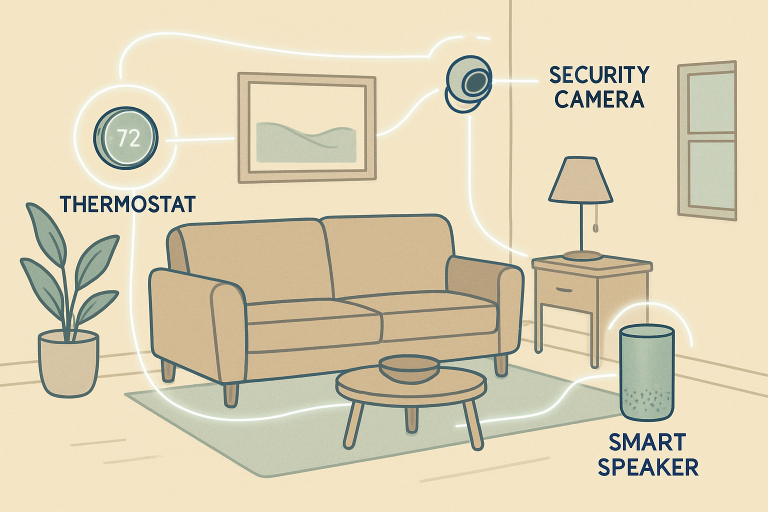
Energy efficiency is one of the standout advantages of smart home technology. Systems such as smart thermostats, automated lighting, and advanced power strips adapt to routines and occupancy patterns, reducing unnecessary electricity consumption. For example, smart thermostats can detect when residents leave the house and adjust heating or cooling accordingly, thereby significantly lowering energy bills. Similarly, smart plugs and power strips provide control over “phantom loads”—the electricity drained by devices in standby mode.
Enhanced Security and Safety
Smart home security solutions have radically improved homeowners’ peace of mind. Internet-enabled cameras, doorbell video systems, motion sensors, and smart locks can be managed and monitored remotely through smartphones and smart speakers. These technologies send instant alerts if suspicious activity is detected, enabling swift responses whether household members are home or away.
Better safety extends beyond break-in prevention. Many smart systems track smoke, carbon monoxide, and water leaks, sending real-time notifications and often integrating with local emergency services. Smart security not only protects property but also provides reassurance to families, particularly when children, seniors, or pets are home alone.
Health and Well-being
Today’s smart homes are also increasingly designed to promote health and wellness. Air quality monitors monitor allergens, humidity, and pollutants, suggesting actions to improve indoor environments. Sleep tracking devices, meanwhile, automate lighting and temperature adjustments to foster restful nights. Some systems go a step further, issuing reminders for activities such as hydration, movement, or taking medication.
By providing insights and nudges tailored to individual wellness goals, smart home tech helps redefine what it means to live comfortably. These solutions are especially valuable for households with children or elderly members, offering an added layer of support for physical and mental well-being.
Smart Kitchens and Connected Appliances
Kitchen technology is advancing rapidly, with smart refrigerators, ovens, and dishwashers making everyday routines more convenient. Smart fridges can track grocery inventory and expiration dates, while connected ovens let users preheat or control cooking settings from their phones. These integrations minimize waste and make home cooking accessible, even for busy households. According to The National Association of Realtors, smart kitchens are increasingly incorporating gadgets and technology that simplify meal prep and household management. AI-powered recipe assistants are helping users create healthier meals and streamline shopping lists. The result is a more efficient, more enjoyable kitchen experience that aligns with healthy living and sustainability goals.
Entertainment and Connectivity
Entertainment systems in smart homes offer experiences once unimaginable. Smart TVs and audio systems connect seamlessly with voice assistants and other devices, enabling personalized recommendations and synchronized playback across different rooms. Advanced home theaters and VR/AR setups offer immersive media consumption—whether for movie nights, video games, or virtual gatherings.
This high level of connectivity is not just about luxury; it also ensures that everyone in the home can access their preferred content when and how they want, making entertainment more inclusive and engaging.
Challenges and Considerations
Despite their benefits, smart home devices do introduce some challenges. Privacy and data security must always be top priorities, as interconnected systems may present vulnerabilities if not properly secured. Homeowners should seek products with robust encryption, regular updates, and transparent data practices, and take time to review manufacturers’ privacy policies.
Other considerations include upfront equipment costs and ensuring compatibility between devices from different creators. Choosing a scalable platform can help reduce headaches and future-proof home investments.
Future Trends in Smart Living
The future of smart homes is being shaped by advances in artificial intelligence and machine learning. These technologies will allow homes to adapt even more intuitively to their occupants’ routines and preferences, with systems learning from previous interactions to optimize comfort and utility.
Furthermore, smart home standards are evolving, supporting enhanced interoperability and greater accessibility. As urban living grows denser, integrated automation and health tracking will play an even greater role in ensuring sustainable, resilient, and enjoyable home environments for all.
In summary, the growing integration of smart home technology is fundamentally reshaping how we live, blending convenience, security, and sustainability for a more responsive and gratifying home experience.

