
Houston is well-known for its year-round, violent rainstorms and extended periods of high precipitation. Rain is necessary, but too much water may cause major issues for home plumbing systems. A main sewer clog, which Houston residents often suffer from during and after heavy rain, is one of the most frequent problems that homes have after significant storms. Property owners may lower their chance of expensive plumbing crises and take preventative measures by knowing why this occurs.
How Houston’s Drainage System Handles Rainwater
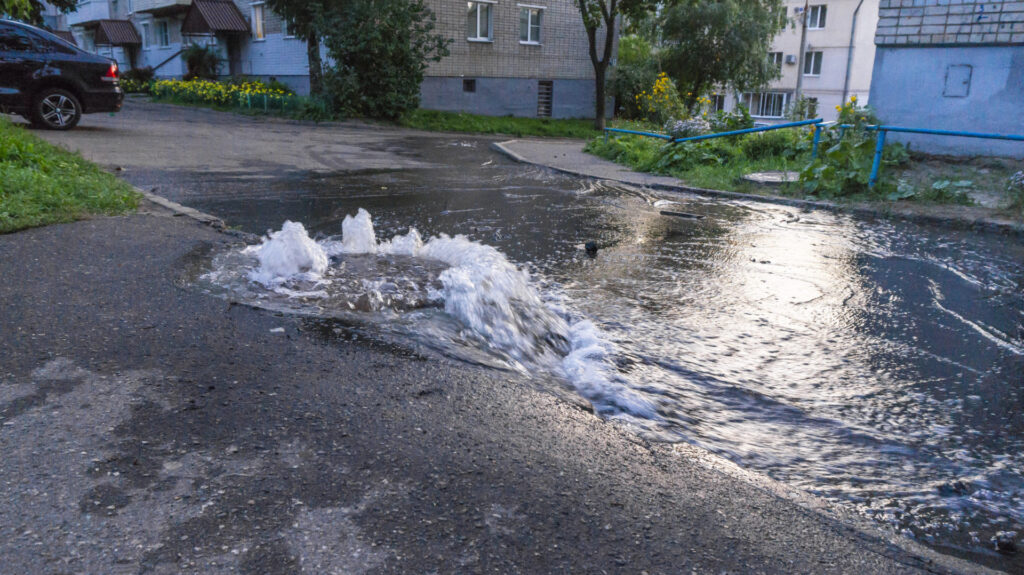
To control water flow, Houston uses a mix of sewage pipes and municipal storm drains. Under typical circumstances, household wastewater enters the municipal system via the main sewage line. However, drainage infrastructure is overloaded by high rainfall. Pressure builds up within sewage pipes when rainfall reaches places it shouldn’t, slowing down waste movement and raising the risk of clogs.
Sewer systems in many older communities were not built to withstand the amount of rainfall that occurs nowadays. Sewer lines are put under stress when rainfall builds up more quickly than it can be drained, which makes it easier for clogs to develop or for blockages that already exist to become worse.
Excess Water Forces Debris Into Sewer Lines
The movement of material is one of the main causes of increased sewage obstructions caused by heavy rain. Trash, leaves, mud, and silt from yards and streets are carried into sewage openings by floodwater. These substances mix with oil, soap residue, and household garbage already in the pipes once they reach the main sewage system.
Water flow is restricted by this accumulation, which has the potential to rapidly become completely blocked. Homeowners may experience gurgling noises, sluggish drains, or even sewage backing up into floor drains, sinks, or tubs as a result.
When It Rains A Lot, Tree Roots Become More Aggressive
There are a lot of old trees with deep roots in Houston. When it rains a lot, tree roots look for moisture, which they often find in subterranean sewage systems. Roots may develop within pipes due to tiny fractures or faulty pipe joints.
Roots spread out and catch debris as the rain keeps coming, forming thick obstructions. Sections of the sewage system may eventually collapse due to this deterioration, transforming a little plumbing issue into a significant one. Main sewer clog Houston experienced as a result of extended rains, is another frequent reason.
Backups Are Caused By Elevated Sewer Pressure
The total pressure within municipal sewage systems is raised by heavy rain. Wastewater has nowhere to go when city lines are overloaded. Waste is forced back into domestic sewage pipes by this pressure, particularly in lower-elevation residences.
Because of this, unexpected sewage backups may occur in houses that have never had plumbing problems. Standing water may occur around floor drains, toilets may overflow, and drains may smell bad. These signs often point to an impending or current blockage in the main sewer.
The Issue Is Made Worse By Aging Infrastructure
Older cast-iron or clay sewage pipes are still in use in many Houston areas. Over time, these materials degrade and become more susceptible to corrosion, cracking, and shifting soil. Heavy rain speeds up soil movement, which may cause subterranean pipes to become misaligned or damaged.
Clogs are more likely to occur once pipes move because debris may build more readily. Heavy rain often reveals vulnerabilities that could otherwise go unnoticed in places with antiquated plumbing systems.
How Severe Rain Highlights Current Sewer Issues
Rain often exposes pre-existing issues rather than causing a sewage blockage from the beginning. In dry conditions, little obstructions, oil accumulation, or modest root infiltration may not be evident. However, these weak spots rapidly become complete blocks when there is a lot of rain.
This explains why sewage issues often seem to emerge out of nowhere after storms. An already damaged system is simply overwhelmed by the additional water.
The Importance Of Quick Action Following Heavy Rain
After a lot of rain, ignoring sewage warning signs may result in significant property damage and health hazards. Living areas are contaminated by sewage backups, which may need expensive cleaning and repairs. By taking prompt action when smells start to develop or drains slow down, small problems may be avoided before they become serious situations.
Although Houston will inevitably see heavy rain, residents may prepare by being aware of how it could affect sewage systems. Even during the wettest seasons, the likelihood of serious sewage obstructions may be considerably decreased with appropriate maintenance and prompt action.

